
How Texas Weather Quietly Impacts Commercial Construction Schedules
When people think about construction delays, they usually picture major problems like permitting issues, labor shortages, or material delays. What often gets overlooked is how much day to day weather quietly affects commercial construction schedules across Texas.
In North Texas especially, weather rarely shuts projects down completely for long periods of time. Instead, it creates small interruptions, sequencing changes, productivity slowdowns, inspection delays, and coordination challenges that gradually impact the overall timeline of a project.
At Texas Built Construction, weather planning is treated as part of normal project management because even minor weather shifts can affect multiple trades operating on a commercial site at once. Understanding how Texas weather impacts construction helps create more realistic schedules and smoother project execution from start to finish.
Texas Weather Changes Quickly
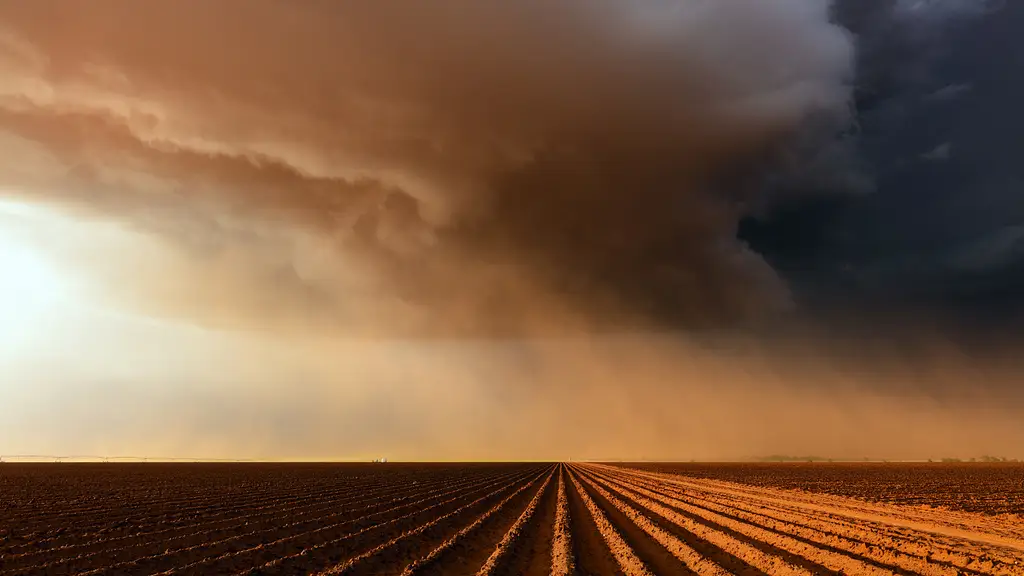
One of the biggest challenges with construction in Texas is unpredictability. A project can begin the morning under clear skies and end the afternoon dealing with severe thunderstorms, high winds, or lightning delays.
North Texas weather patterns shift quickly, especially during spring and early summer. Sudden storms may only last an hour, but that short interruption can still affect crane operations, roofing work, concrete pours, exterior framing, utility installation, or site access for the remainder of the day.
Commercial construction schedules are tightly connected. Losing even part of a workday can impact inspections, subcontractor coordination, material deliveries, or downstream trades waiting to begin their scope of work.
The issue is rarely one catastrophic weather event. More often, it is the cumulative effect of repeated small disruptions over time.
Rain Impacts More Than Outdoor Work
Many people assume rain only affects exterior construction activities, but moisture impacts much more than that on commercial projects.
Heavy rain can delay site grading, underground utility installation, paving operations, concrete work, and foundation preparation. Wet soil conditions may prevent equipment access or create unsafe jobsite conditions for crews and deliveries.
Even indoor work can be affected if the building is not fully dried in yet. Excess moisture creates complications for drywall installation, flooring systems, paint finishes, adhesives, insulation, and ceiling materials.
In some cases, a single storm can shift multiple trades at once, forcing schedule adjustments throughout the project.
At Texas Built Construction, schedules are built with the understanding that weather flexibility is necessary, especially during phases heavily dependent on exterior progress.
Heat Quietly Reduces Productivity
Texas summers create another challenge that affects construction schedules in less obvious ways. Extreme heat does not always stop work entirely, but it can reduce productivity significantly throughout the day.
Commercial crews working on roofing systems, steel installation, site utilities, paving, or exterior finishes often operate under prolonged heat exposure during peak summer months. Safety protocols become increasingly important, including hydration breaks, adjusted work pacing, shaded recovery areas, and schedule modifications during extreme temperatures.
High temperatures can also impact certain materials directly. Concrete curing, sealants, adhesives, coatings, and roofing materials may require additional monitoring or modified installation procedures during excessive heat.
While these adjustments are necessary for safety and quality control, they can gradually affect overall production rates across the project.
Wind Creates Major Coordination Challenges
Wind is one of the most underestimated weather factors in commercial construction.
High winds can delay crane operations, steel erection, roofing installation, exterior panel work, and material handling activities. Even if crews remain onsite, certain lifts or installations may become unsafe until wind conditions improve.
This becomes especially important on larger commercial developments involving structural steel, tilt wall construction, prefabricated systems, or elevated exterior work.
Wind related delays often affect more than just one trade. If structural installation pauses, downstream trades may also lose access to work areas that depend on completed framing or exterior enclosure.
Texas weather does not always create full shutdowns, but it regularly forces contractors to adapt sequencing and logistics throughout active construction phases.
Inspections Are Also Affected by Weather
Municipal inspections play a major role in commercial construction schedules, and weather can impact inspection timelines just as much as field operations.
Storms, flooding, ice events, or severe weather days may delay inspectors, reduce inspection availability, or shift city scheduling timelines. When inspections move, multiple trades may be affected because many scopes cannot proceed without approvals from previous phases.
For example, framing inspections may delay drywall installation. Underground inspections may delay concrete pours. Electrical inspections may affect ceiling closures or final finishes.
At Texas Built Construction, inspection coordination is monitored closely because maintaining momentum often depends on keeping approvals aligned with active field production.
Weather Planning Starts During Preconstruction
Experienced commercial contractors understand that weather cannot simply be ignored during scheduling. Texas construction requires realistic planning from the very beginning.
At Texas Built Construction, weather considerations are factored into project planning during preconstruction. Seasonal conditions, trade sequencing, exterior exposure periods, long lead materials, and schedule sensitive activities are all evaluated when building project timelines.
The goal is not eliminating every weather delay completely because that is unrealistic. The goal is creating schedules that remain flexible enough to adapt without losing control of the overall project.
Strong planning helps reduce unnecessary downtime when weather conditions change unexpectedly.
Different Trades Feel Weather Differently
Not every trade is affected by weather in the same way. Site work crews may lose productivity during heavy rain while interior trades continue operating normally. Roofing contractors may pause for wind conditions while electricians continue working inside the building.
Because commercial construction involves many overlapping scopes of work, weather impacts must be managed strategically rather than treating the entire project as fully stopped or fully operational.
This is where coordination becomes critical.
At Texas Built Construction, active schedule management allows crews to shift priorities, resequence activities, and continue making progress wherever possible even during changing weather conditions.
That flexibility helps maintain momentum throughout the project instead of allowing smaller weather disruptions to create major long term delays.
Winter Weather Creates Unique Challenges in Texas
Although North Texas is known for heat, winter weather events can create major disruptions when they occur. Ice storms, freezing temperatures, and sudden cold fronts impact construction differently than steady northern climates because infrastructure, scheduling assumptions, and material planning are often built around warmer conditions.
Freezing temperatures can affect concrete placement, plumbing systems, exterior finishes, site access, and utility work. Severe winter events may also create supply chain interruptions or staffing limitations across the region.
Because these events are less predictable in Texas, they often require rapid coordination adjustments across active jobsites.
Construction Schedules Are Built Around Adaptability
One reality of commercial construction is that no schedule remains completely unchanged from start to finish. Weather is one of many variables that require constant adjustment throughout a project.
The difference between a well managed project and a struggling one often comes down to how effectively teams adapt when conditions shift.
At Texas Built Construction, schedule management involves constant coordination between field teams, subcontractors, suppliers, inspectors, and ownership groups to maintain progress even when weather conditions create challenges.
Commercial construction in Texas requires flexibility, communication, and proactive planning because the weather rarely stays predictable for long. While weather may not always dominate headlines on a project, it quietly influences construction schedules every single week across North Texas.
Email us today @ projects@txbuiltconstruction.com or call us @ (972) 219-0729.