
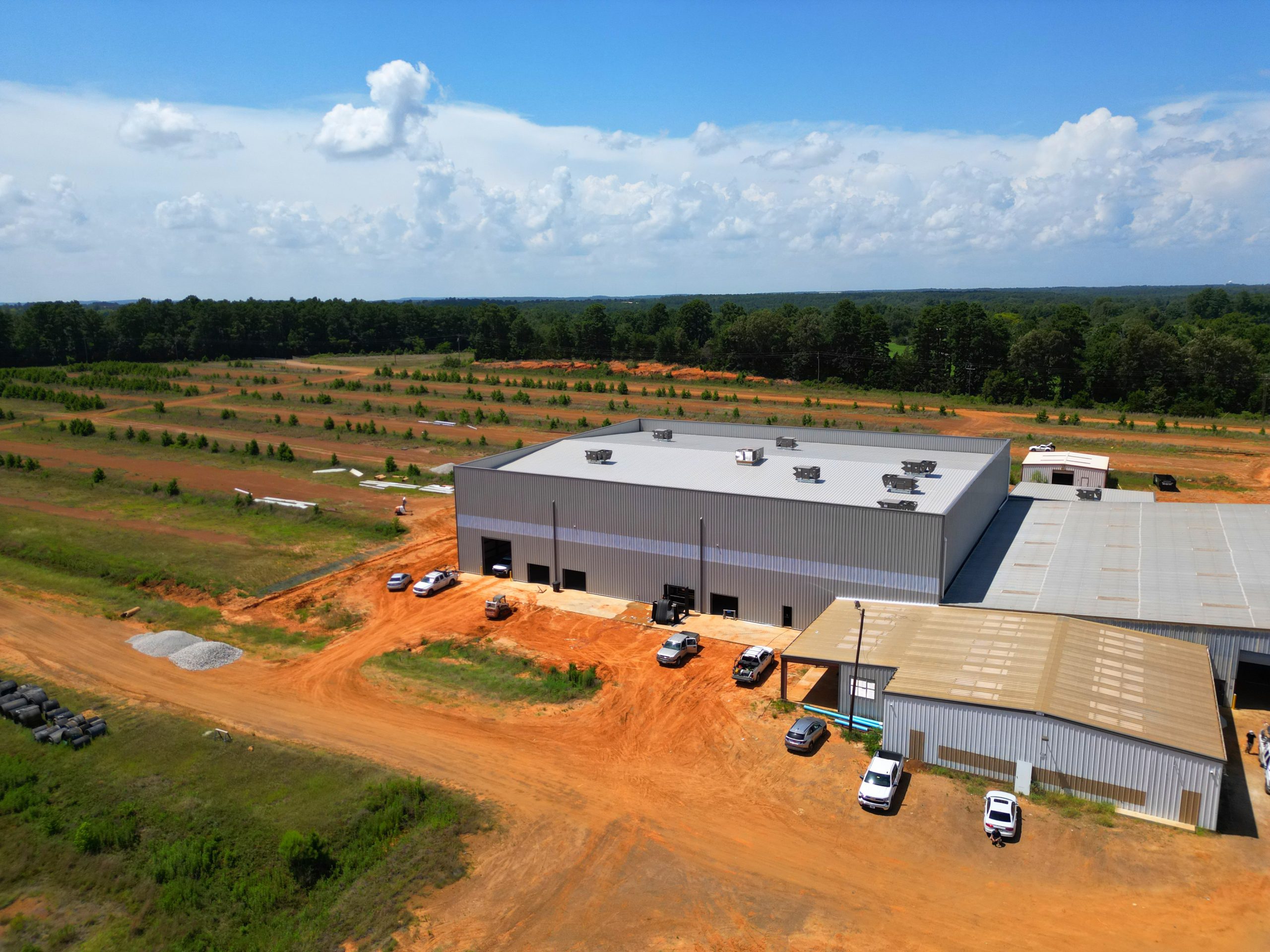
How Texas Built Construction Approaches Long Lead Materials and Scheduling
One of the biggest misconceptions in commercial construction is that projects move at the pace of physical labor. In reality, many schedules are shaped long before crews begin work in the field. One delayed piece of equipment, one unavailable finish, or one overlooked procurement item can quietly affect an entire construction timeline.
Commercial construction today is not just about building efficiently. It is about planning efficiently.
At Texas Built Construction, managing long lead materials is treated as an active part of project execution rather than something addressed only after construction begins. Scheduling decisions are built around procurement, coordination, and timing from the earliest phases of the project to reduce avoidable delays and maintain momentum throughout construction.
What Are Long Lead Materials?
Long lead materials are items that require extended manufacturing, ordering, shipping, approval, or delivery timelines before they can be installed onsite.
These materials often include electrical equipment, HVAC units, switchgear, storefront systems, specialty finishes, roofing components, steel packages, doors and hardware, lighting systems, custom fabrication items, and owner selected equipment.
Unlike standard construction materials that can often be sourced quickly, long lead items may require weeks or even months before they become available.
The challenge is that these materials frequently sit on the critical path of a project schedule. That means construction cannot fully progress without them.
Why Material Timing Shapes Construction More Than Most People Realize
Many commercial schedules appear straightforward at first glance.
Permit approval happens. Construction starts. Trades arrive. Work gets completed.
But behind every visible milestone is a supply chain and procurement process that must remain aligned.
For example, framing may finish on schedule, but if rooftop units have not arrived, mechanical systems stall. If electrical gear is delayed, inspections shift. If storefront materials are unavailable, interior finishes and occupancy dates can move.
Construction often does not stop because crews cannot work.
It stops because work cannot continue until the next required component becomes available.
That is why procurement strategy becomes just as important as field execution.
Scheduling Begins Before Materials Are Ordered
One of the biggest mistakes on commercial projects is treating procurement as a separate process from scheduling.
At Texas Built Construction, scheduling and procurement are developed together.
During preconstruction, project teams review drawings, identify critical materials, evaluate lead times, coordinate subcontractor input, and determine which decisions need to happen early in order to protect the schedule.
This often means procurement discussions begin before mobilization.
Material planning starts early because waiting until construction is active often removes flexibility and limits available options.
The earlier schedule risks are identified, the more opportunities exist to avoid disruptions later.
Identifying Critical Path Materials Early
Not every delayed material affects a project equally.
Some items have flexibility. Others directly control project completion.
At Texas Built Construction, a major focus is identifying which materials carry the greatest schedule risk and prioritizing those items accordingly.
For example:
- Electrical gear may impact utility connections and final inspections
- HVAC equipment may affect occupancy readiness
- Storefront systems may delay building enclosure
- Specialty finishes may impact final turnover dates
- Custom fabricated components may influence multiple downstream trades
By identifying these dependencies early, schedules can be adjusted proactively instead of reactively.
The goal is reducing surprises before they become field issues.
Owner Decisions Quietly Affect Lead Times
One part of commercial construction that often gets underestimated is decision timing.
Material selection changes, finish revisions, equipment substitutions, and approval delays can all influence procurement schedules.
Many commercial projects involve owner selected products that require review periods, shop drawings, fabrication approvals, or custom manufacturing timelines.
Sometimes a seemingly small decision can create weeks of schedule movement.
That is why communication and visibility become important throughout the process.
At Texas Built Construction, schedule discussions often include procurement milestones so clients understand how decision timing affects overall delivery.
This creates clearer expectations and helps maintain project momentum.
Flexibility Matters When Conditions Change
Supply chains rarely move perfectly.
Manufacturing schedules shift. Shipping delays happen. Products become unavailable. Vendors change availability. Market conditions evolve.
Strong project management is not about assuming nothing will change.
It is about building enough flexibility into the schedule to adapt when conditions do change.
At Texas Built Construction, active schedule management allows teams to adjust sequencing, coordinate alternative paths, and maintain productivity even if procurement conditions shift unexpectedly.
Sometimes crews can continue working in parallel areas. Sometimes installations can be resequenced. Sometimes alternate materials can be evaluated.
The ability to adapt helps keep projects moving while protecting overall timelines.
Trade Coordination Is Tied Directly to Procurement
Long lead materials do not only affect deliveries.
They affect people.
Commercial construction schedules depend on electricians, plumbers, HVAC contractors, framers, finish trades, inspectors, and suppliers all arriving at the right time.
If materials move, trade schedules move.
That coordination becomes increasingly important on fast paced commercial projects where multiple crews operate simultaneously.
Managing those moving parts requires constant communication and visibility throughout construction.
At Texas Built Construction, scheduling remains active from start to finish because maintaining alignment between procurement and field operations is what keeps projects progressing efficiently.
Speed Comes From Preparation
Clients often associate fast construction with having more crews onsite.
In reality, efficient construction usually comes from preparation.
Projects that appear smooth often feel that way because procurement decisions, scheduling risks, and material planning were handled long before visible construction activity began.
The projects that struggle are not always the most difficult projects.
Sometimes they are simply the least prepared.
That is why long lead planning has become such an important part of commercial construction.
Construction Moves at the Speed of Coordination
Commercial construction today is shaped by more than labor and production. Material availability, procurement strategy, scheduling visibility, and coordination all influence whether projects maintain momentum or experience delays.
At Texas Built Construction, long lead materials are approached as a planning challenge rather than a field problem. Through early coordination, schedule management, procurement visibility, and proactive communication, projects are positioned to move more efficiently from preconstruction through completion.
Because in commercial construction, what gets ordered early often determines what gets finished on time.
Email us today @ projects@txbuiltconstruction.com or call us @ (972) 219-0729.