
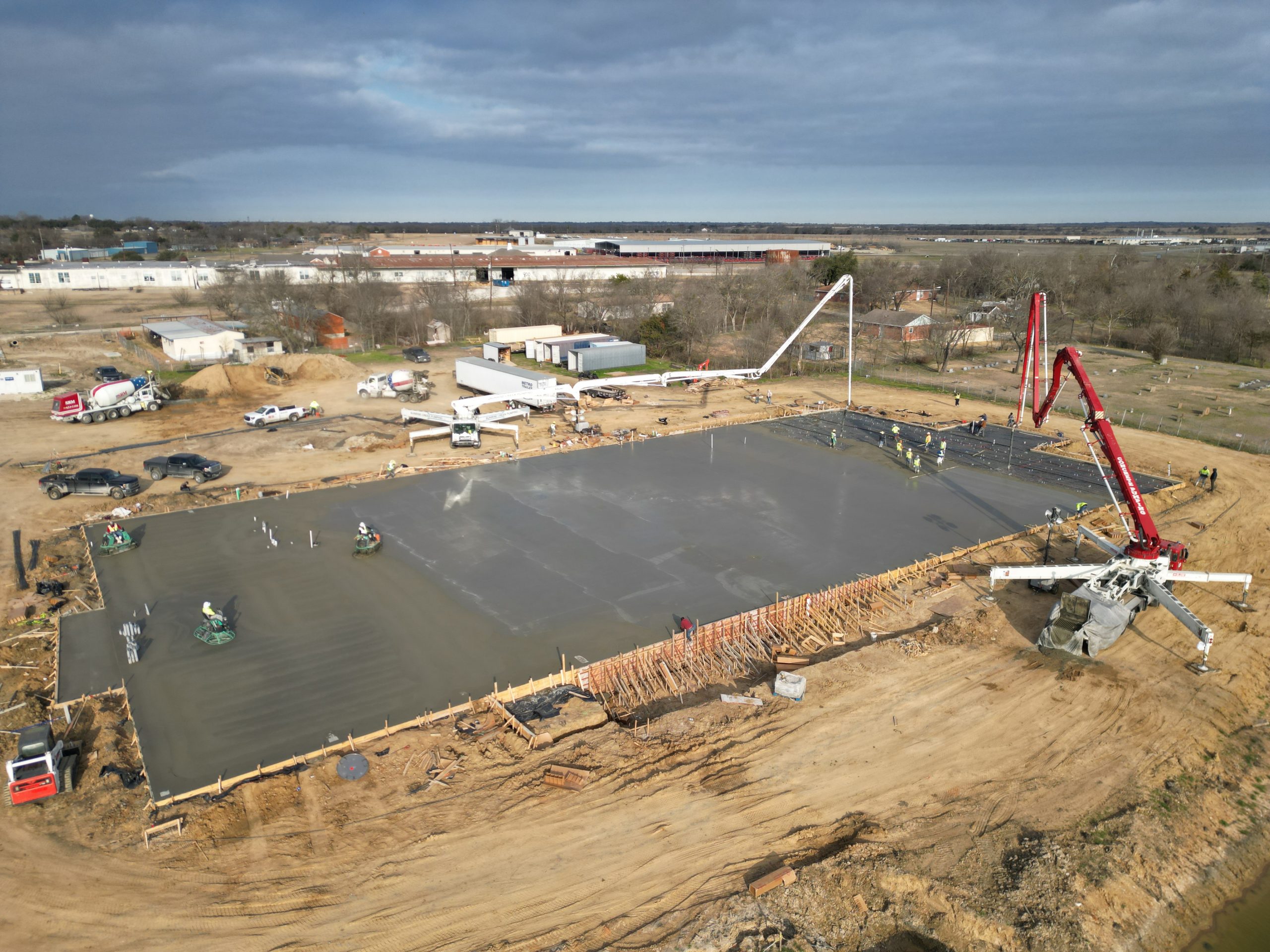
Why Your Project Looks “Stalled” (Even When It’s Not)
One of the most common concerns during a commercial construction project is the feeling that nothing is happening.
You drive by the site and see the same thing you saw yesterday. No major changes, no visible progress, and no clear signs of movement. It starts to feel like the project has stalled.
In reality, most of the time, it has not.
Construction is not a constant stream of visible progress. There are phases where things move fast and phases where it looks like everything has slowed down. The key is understanding what is actually happening behind the scenes during those quieter periods.
Here is why your project might look stalled even when it is moving exactly as it should.
Inspections Are Driving the Timeline
At multiple points in a project, work has to pause so inspections can take place. These are not optional. They are required to ensure everything meets code before the next phase begins.
For example, after rough-in work for electrical, plumbing, or mechanical systems is completed, inspectors need to review it before walls can be closed up. Until that approval comes through, the project cannot move forward in visible ways.
During this time, it may look like nothing is happening, but in reality, the project is waiting on a critical checkpoint.
Work Is Happening Behind the Walls
Some of the most important parts of a project are also the least visible. Electrical wiring, plumbing lines, HVAC systems, and structural components all go in before finishes are installed.
Once these systems are in place, progress can feel slow because you are not seeing dramatic visual changes day to day.
But these phases are where the foundation of the project is built. Rushing through them or overlooking details can create major issues later.
Materials Are on Order, Not on Site
Another common reason a project appears stalled is that key materials have been ordered but have not arrived yet.
Items like electrical gear, HVAC units, glass storefronts, and specialty finishes often have long lead times. Even when they are ordered early, there can be gaps between when work is ready for them and when they actually show up.
During that window, crews may shift to other tasks or wait until the necessary components arrive to continue.
This is a normal part of modern construction, especially with supply chain variability.
Sequencing Limits What Can Happen at Once
Construction is highly dependent on sequencing. Certain trades cannot begin until others are fully complete.
For example, drywall cannot go up until rough-in inspections are approved. Flooring cannot be installed until overhead work is finished. Final fixtures cannot be set until finishes are complete.
This creates natural pauses between phases. Even if crews are ready to go, they have to wait until the project is ready for them.
To someone outside the process, it can look like inactivity. In reality, it is controlled progression.
Subcontractors Are Scheduled in Waves
On most projects, subcontractors are not on site every single day from start to finish. They are scheduled based on when their specific scope is needed.
You might see a busy site one week with multiple trades working, followed by a quieter period where only one crew is present or no one is visibly active.
This does not mean the project is off track. It means the schedule is being managed based on the sequence of work.
Trying to force all trades to be on site at once would create congestion, inefficiency, and more problems than it solves.
Coordination and Problem Solving Are Happening Off Site
Not all progress happens in the field. A significant amount of work takes place behind the scenes through coordination, planning, and problem solving.
This includes reviewing plans, adjusting for field conditions, coordinating between trades, and resolving any issues that come up.
These efforts keep the project moving forward, even if there is no visible activity on site at that moment.
Without this level of coordination, small issues can turn into major delays.
Permits and Approvals Can Slow Visible Progress
In some cases, additional permits or approvals are required as the project progresses. This can include revisions to plans, inspections tied to specific systems, or approvals from landlords or property management.
While these steps are being completed, visible construction activity may slow down or pause temporarily.
Again, this is not a sign that the project has stalled. It is part of working through the required process to keep everything compliant and moving forward.
Why Communication Matters
The biggest reason projects feel stalled is not because of actual delays. It is because of a lack of visibility into what is happening.
When clients are not aware of inspections, material lead times, or scheduling constraints, it is easy to assume nothing is happening.
Clear communication from your contractor makes a huge difference. Regular updates, timelines, and explanations help you understand where the project stands and what is coming next.
This removes the guesswork and gives you confidence that things are moving as they should.
The Reality of Construction Timelines
Commercial construction is not a straight line. It is a series of phases, checkpoints, and transitions.
Some days will show a lot of visible progress. Others will not. Both are normal.
What matters is not how busy the site looks on any given day, but whether the project is progressing according to plan.
If the schedule is being followed, inspections are passing, and materials are arriving as expected, then the project is moving forward, even if it does not always look like it.
Keeping Your Project on Track
The best way to avoid the feeling that your project has stalled is to stay informed and involved.
Ask questions, request updates, and work with a contractor who prioritizes transparency. Understanding the process will give you a clearer picture of what is happening at every stage.
At the end of the day, a well-managed project is not always the busiest looking one. It is the one that moves efficiently through each phase without unnecessary rework or delays.
If you know what to look for, you will start to see progress in a different way.
And more often than not, your project is moving exactly as it should.
Email us today @ projects@txbuiltconstruction.com or call us @ (972) 219-0729.