
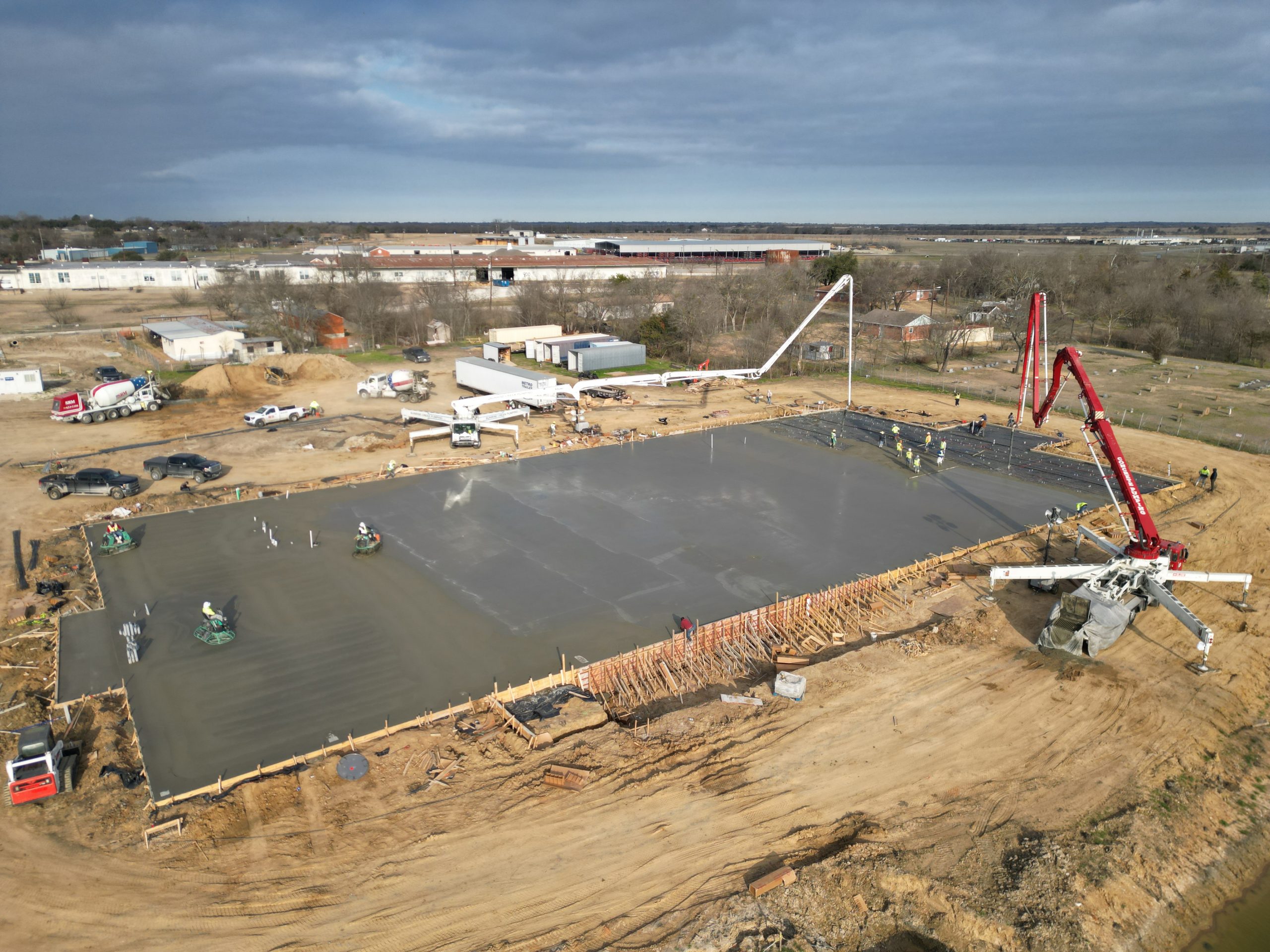
What Architects Don’t Always Tell You About Constructability
When starting a commercial construction project, most owners begin with an architect. That makes sense. Design is the first step in bringing a vision to life. But what many developers, business owners, and tenants do not always realize is that a great design does not always translate into a smooth or cost effective build.
This is where constructability comes into play.
Constructability refers to how efficiently and realistically a design can be built in the field. While architects are experts in design, aesthetics, and code compliance, they are not always focused on the day to day realities of construction execution.
That gap can lead to unnecessary costs, delays, and frustration if a general contractor is not involved early.
The Gap Between Design and Construction
Architects are trained to think about space, form, and function. They create layouts that meet client goals, maximize usability, and align with building codes. Construction is a different environment entirely. It involves sequencing, trade coordination, material availability, and real world site conditions.
What looks clean and simple on paper can quickly become complicated once construction begins.
For example, a design might call for a unique ceiling detail that requires multiple trades to coordinate in a tight space. On a drawing, it works. In the field, it can slow down progress, increase labor costs, and create scheduling conflicts.
Without contractor input during the design phase, these kinds of issues are often not discovered until it is too late.
Designs That Look Good but Cost More Than Expected
One of the most common issues with constructability is cost escalation driven by design decisions.
Certain materials, layouts, or structural elements may look great but come with hidden costs. This can include specialty materials with long lead times, complex framing requirements, inefficient layouts that increase labor time, or details that require custom fabrication.
An architect may specify these elements without fully understanding how they impact installation time or trade coordination. The result is a project that comes in over budget once real pricing is applied.
This is where a general contractor can step in with practical insight and suggest alternatives that maintain the design intent while reducing cost.
The Power of Value Engineering
Value engineering is often misunderstood as simply cutting costs, but that is not the goal. Done correctly, it is about maximizing value and getting the best possible outcome for the budget available.
When a contractor is involved early, they can recommend alternative materials that perform the same at a lower cost, simplify construction methods without sacrificing quality, identify inefficiencies in the design, and provide accurate pricing before plans are finalized.
This approach helps prevent major revisions later and keeps the project aligned with the original budget.
Coordination Between Trades Is Everything
Another area where constructability plays a major role is trade coordination.
Architectural drawings do not always fully account for how mechanical, electrical, and plumbing systems interact in the field. Conflicts between these systems are one of the biggest causes of delays during construction.
Ductwork can interfere with structural elements. Plumbing lines can clash with electrical runs. Ceiling space can become overcrowded with competing systems.
A general contractor reviews plans with these real world conflicts in mind and works with subcontractors to resolve them before construction begins. This reduces rework and helps keep the schedule on track.
Why Bringing in a General Contractor Early Matters
The traditional approach is to complete the design first and bring in a contractor later. More and more successful projects are moving away from that model.
When a general contractor is brought in during the design phase, they can provide preliminary budgeting based on current market conditions, identify constructability issues before plans are finalized, assist with scheduling and phasing strategies, offer insight into permitting and local requirements, and help align the project scope with the owner’s budget.
This level of collaboration leads to fewer surprises and a much smoother construction process.
Real World Impact on Timeline and Budget
Projects that do not account for constructability early often run into budget overruns, delays caused by design conflicts, increased change orders, and unnecessary frustration between all parties involved.
On the other hand, projects that prioritize constructability from the start tend to move faster, stay within budget, and experience far fewer complications.
The Bottom Line
A well designed project is important, but a buildable design is what ultimately determines success.
Architects and contractors bring different strengths to the table. The best outcomes come from collaboration between both from the very beginning. By considering constructability early, owners can avoid unnecessary costs, reduce delays, and ensure their project is executed as efficiently as possible.
If you are planning a commercial project, involving a general contractor early is not just helpful. It is one of the smartest decisions you can make.
Email us today @ projects@txbuiltconstruction.com or call us @ (972) 219-0729.