
The General Contractor’s Role in Site Selection: Why Early Involvement Matters
Selecting the right site for a commercial project is one of the most important decisions an owner will make, yet it is often approached without full consideration of construction requirements. Many business owners focus solely on location, size, and visibility without understanding how site conditions can affect budget, schedule, and long-term operations. Involving a general contractor early in the site selection process can provide invaluable insight.
A contractor brings practical experience that complements architectural design and financial analysis. They can evaluate soils, grading, drainage, and utility access to determine if a site is truly buildable. Sites that seem ideal on paper may present challenges such as poor soil conditions requiring extensive foundation work, restricted access for equipment, or limited utility capacity. Identifying these factors early avoids costly surprises once construction begins.
Zoning and local regulations are another consideration where a contractor’s experience is valuable. Certain uses may require special permits, setbacks, or design requirements that impact building placement. By reviewing these elements during site selection, contractors help owners avoid sites that may be restrictive or require extensive variance approvals.
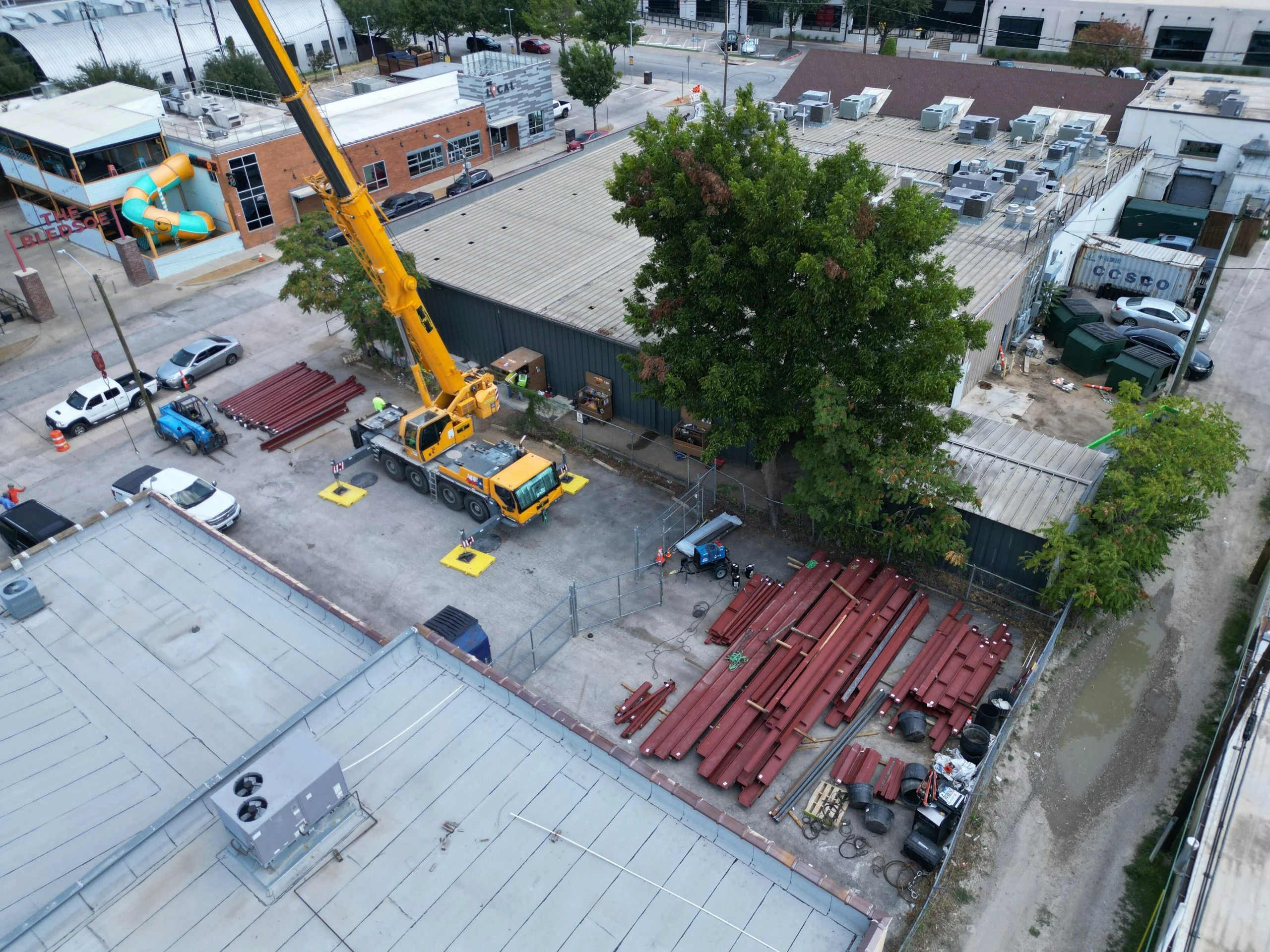
Logistics and constructability are often overlooked when evaluating a site. A contractor can assess whether there is sufficient space for staging materials, crane access, or temporary storage during construction. Sites with difficult access or tight boundaries may require creative planning or additional costs. Early input ensures the site supports efficient construction without unnecessary complications.
Utility availability is a critical factor as well. Water, sewer, electricity, natural gas, and telecommunications all impact construction and operational feasibility. A contractor can coordinate with local providers to confirm capacity, schedule connections, and identify potential upgrades that may be needed before work begins. This avoids delays or unexpected expenses during construction.
Environmental considerations are another area where contractor insight is valuable. Floodplain, wetlands, or protected areas can create permitting and construction challenges. Identifying these conditions early helps owners make informed decisions and incorporate mitigation strategies into design and budgeting.
Early contractor involvement also helps align the project schedule with site readiness. Projects that require significant grading, soil stabilization, or utility upgrades can be planned more effectively when the contractor is involved from the start. This proactive approach often shortens overall project timelines and reduces risk.
Beyond construction feasibility, contractors can provide guidance on long-term operational efficiency. Site layout impacts not only the building but also traffic flow, loading areas, parking, and future expansion. Considering these elements early ensures the site meets both immediate and future needs.
Ultimately, site selection is not just a real estate decision. It is a foundational step in a successful construction project. Involving a general contractor during this phase provides practical insight, reduces risk, and creates a smoother path to completion. Businesses that leverage this expertise are better positioned to build efficiently, stay on budget, and create facilities that support long-term success.
Email us today @ projects@txbuiltconstruction.com or call us @ (972) 219-0729.