
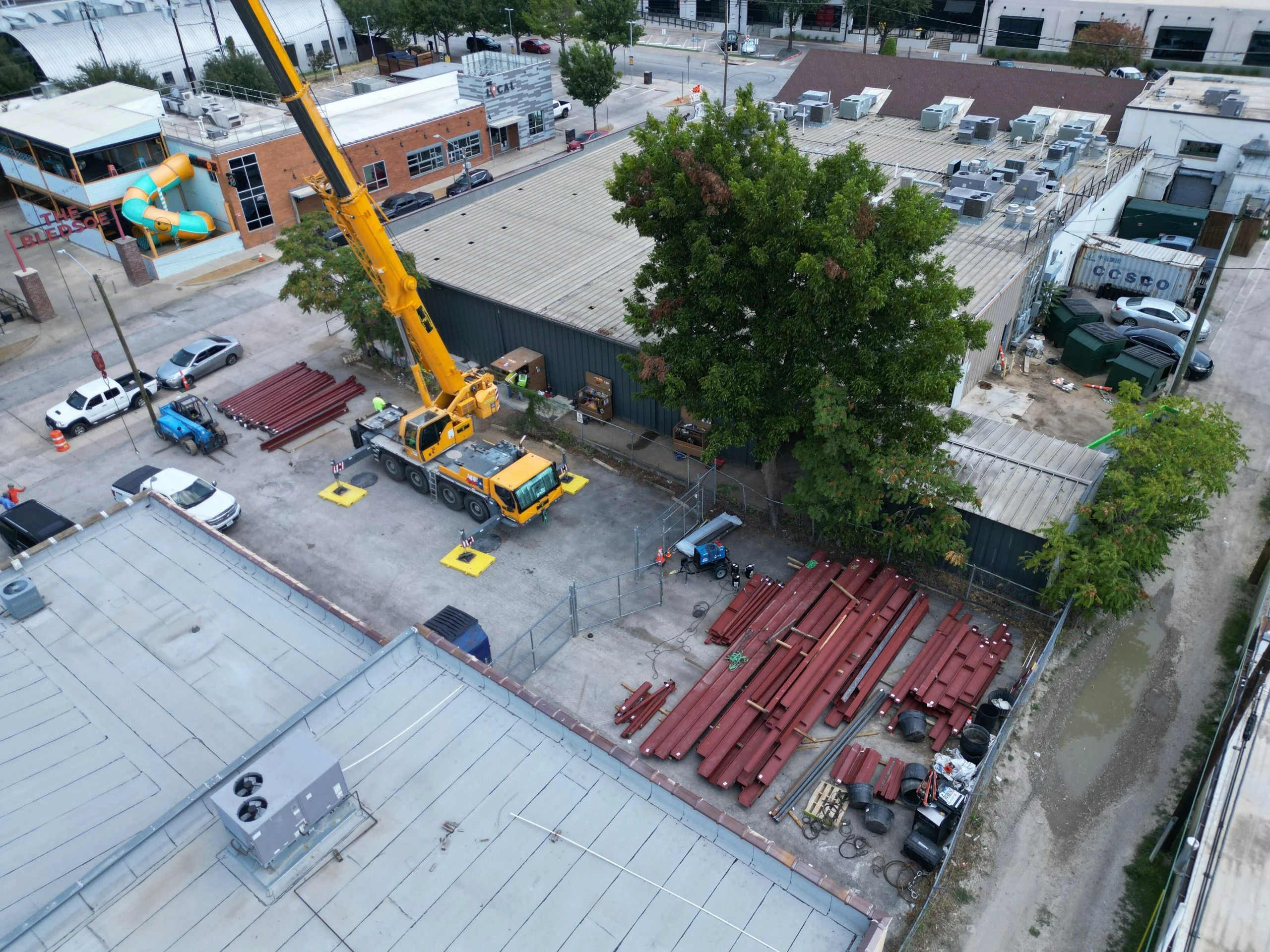
Why Commercial Construction Requires Constant Re Sequencing
From the outside, commercial construction often looks highly structured and predictable. People imagine projects moving step by step in a straight line where one phase finishes neatly before the next begins. In reality, most commercial construction projects operate more like a constantly moving system where schedules, priorities, and field conditions are adjusted almost daily.
One of the biggest reasons commercial projects stay moving is because construction teams are constantly re sequencing work behind the scenes.
At Texas Built Construction, schedule management is not treated as a static document created once at the beginning of the project. Commercial construction requires ongoing adjustments as conditions evolve, trades overlap, materials shift, inspections move, and priorities change throughout active construction.
The ability to adapt without losing control of the overall project is one of the most important parts of commercial construction management.
What Re Sequencing Actually Means
Re sequencing simply means adjusting the planned order of work in order to maintain project momentum.
On paper, schedules often appear linear. One trade finishes, then another begins. But real world construction rarely behaves that cleanly.
Materials get delayed. Inspections move. Existing conditions change. Weather interrupts exterior work. Equipment lead times shift. Tenants revise layouts. Municipal requirements evolve. One trade may finish early while another falls behind.
Rather than allowing the entire project to stall every time conditions change, construction teams constantly adjust work sequences to keep progress moving wherever possible.
Commercial construction is less about following a perfect schedule and more about managing controlled adaptation throughout the project.
Construction Schedules Are Built Around Dependencies
Every commercial project contains dozens of connected dependencies between trades, inspections, materials, and approvals.
Drywall cannot begin until framing, electrical rough in, plumbing rough in, and inspections are completed. Flooring may depend on moisture testing. Ceiling closures may depend on fire sprinkler inspections. Equipment installation may depend on utility connections.
When one part of the process shifts, multiple downstream activities may also need adjustment.
That creates a chain reaction throughout the project schedule.
The challenge is finding ways to continue making progress without creating conflicts, rework, or quality issues elsewhere on the project.
Delays Rarely Affect Just One Area
One of the biggest misconceptions about commercial construction is that delays only impact the specific area experiencing the issue.
In reality, most delays create ripple effects.
For example, if electrical gear delivery gets pushed back several weeks, inspections may shift, drywall sequencing may change, finish work may move to different areas first, and subcontractor schedules may require adjustments across multiple phases of the project.
The same thing happens with weather delays, owner revisions, permitting changes, or existing condition discoveries.
Commercial construction teams spend significant time evaluating how one schedule change affects every connected activity afterward.
This is why projects often feel fluid even when the overall timeline remains under control.
Weather Constantly Forces Adjustments
Texas weather alone creates frequent re sequencing challenges on commercial projects.
Rain may delay exterior grading, paving, concrete work, roofing, or utility installation. Wind may affect steel erection or crane operations. Heat may reduce production rates during exterior phases.
Rather than shutting projects down entirely, teams often shift focus toward interior work, alternate areas, or parallel tasks while waiting for conditions to improve.
The ability to adapt quickly helps maintain momentum even when weather conditions disrupt the original sequence of work.
At Texas Built Construction, schedules are managed with the expectation that weather flexibility will be necessary throughout active construction.
Existing Buildings Rarely Cooperate Perfectly
Tenant finish outs and renovation projects create even more re sequencing challenges because existing buildings often contain unknown conditions.
Once demolition begins, crews may uncover undocumented utilities, outdated infrastructure, structural conflicts, or previous modifications that were not visible during the initial walkthrough.
These discoveries may require redesign work, engineering input, revised inspections, or utility coordination before the original plan can continue.
Rather than allowing the entire project to stop, construction teams often resequence other portions of the work to keep progress moving in unaffected areas while solutions are developed.
Experienced commercial contractors understand that adaptability is part of working within existing buildings.
Material Availability Shapes Construction More Than People Realize
Long lead materials have become one of the biggest drivers of schedule adjustments in commercial construction.
HVAC units, electrical equipment, storefront systems, specialty finishes, and custom fabricated components may require extended procurement timelines that shift unexpectedly during the project.
If one material becomes unavailable, teams often need to adjust sequencing around the delay rather than stopping the entire project.
This may involve completing other areas first, shifting trade schedules, changing installation priorities, or temporarily reassigning crews to alternate scopes of work.
Commercial projects stay moving because teams remain flexible enough to adapt around procurement realities.
Multiple Trades Cannot Always Work Simultaneously
Another reason re sequencing happens frequently is because many trades physically compete for the same workspace.
Commercial projects often involve electricians, plumbers, framers, HVAC contractors, drywall crews, painters, flooring installers, and inspectors all operating within overlapping schedules.
Even when everyone is technically on time, crews may still need adjustments based on space limitations, safety concerns, access requirements, or logistical constraints.
Sometimes resequencing is not about fixing delays. Sometimes it is simply about improving efficiency and reducing congestion onsite.
Well managed projects constantly evaluate where crews can operate most productively.
Re Sequencing Helps Protect Overall Completion Dates
One of the most important goals of active schedule management is protecting the overall project completion timeline even when smaller disruptions occur.
Commercial construction rarely operates without problems. The difference between successful projects and struggling projects often comes down to how quickly teams adjust when conditions change.
At Texas Built Construction, project schedules are actively managed throughout construction to maintain visibility across trades, procurement, inspections, and field progress. When conditions shift, sequencing adjustments help reduce downtime and keep projects progressing efficiently.
The goal is not pretending challenges will never happen.
The goal is maintaining enough flexibility to absorb those challenges without losing control of the project.
Commercial Construction Is Controlled Adaptation
One reality of commercial construction is that no schedule remains perfectly unchanged from beginning to end.
Projects evolve continuously throughout construction. Conditions shift, information changes, priorities move, and field realities require constant coordination adjustments.
That does not mean projects are disorganized.
In many cases, the projects that appear smoothest are actually the ones where teams are adapting most effectively behind the scenes.
At Texas Built Construction, re sequencing is treated as a normal part of commercial construction management because maintaining momentum requires constant coordination, communication, and flexibility throughout every phase of the project.
Commercial construction is rarely about following a rigid plan perfectly. It is about adapting intelligently while continuing to move forward.
Email us today @ projects@txbuiltconstruction.com or call us @ (972) 219-0729.