
How to Plan a Ground-Up Construction Project in Texas: A Step-by-Step Guide
Ground-up construction is one of the most rewarding paths a business can take when expanding operations, opening a new location, or developing land for long-term use. Building from scratch gives owners full control over layout, utility placement, workflow, and future expansion. But a smooth project requires strong planning from day one.
The first step in any ground-up project is selecting the right site. In Texas, site selection involves evaluating drainage, utilities, roadway access, soil conditions, and local zoning requirements. Before land is purchased, a due-diligence study helps determine whether improvements will be needed and what development limitations might exist. This early step often saves owners significant time and cost later.
Once land selection is underway, the next phase is assembling the design team. Ground-up construction requires architectural drawings, structural engineering, civil engineering, and various specialty consultants depending on the building’s purpose. A strong general contractor becomes extremely valuable in this early stage. By participating in design meetings, contractors help owners make cost-informed decisions long before the drawings are final.
Budgeting is another essential part of planning. A detailed preconstruction estimate keeps the project aligned with the owner’s goals. During this phase, materials, building systems, and long-term operating costs are evaluated. The goal isn’t just to build a structure, it’s to build a facility that performs well for decades.
Permitting is another step that requires attention early in the schedule. Cities across Texas have different review timelines, submittal requirements, and inspection processes. A contractor experienced with local municipalities can help avoid delays by preparing the correct documents and coordinating reviews efficiently.
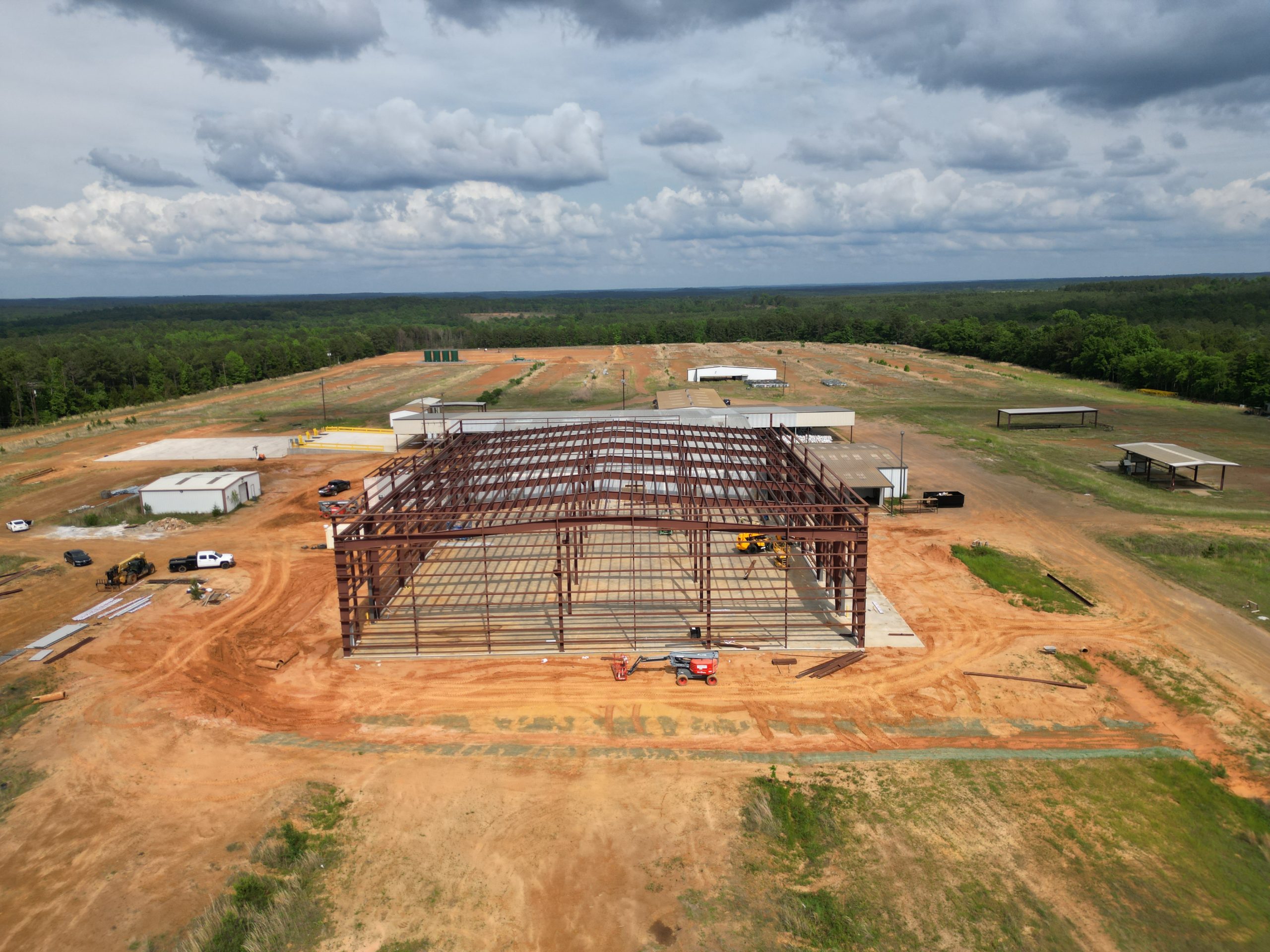
During construction, a strong project schedule becomes the backbone of the process. Ground-up builds involve extensive coordination between sitework, foundations, steel erection, utilities, mechanical systems, and interior finish-out. By tracking daily progress, communicating with subcontractors, and maintaining quality checks, contractors ensure the project moves forward without disruptions.
Finally, the building transitions into completion and turnover. This includes final inspections, walk-throughs, documentation, warranty information, and training on systems the owner will operate. When the planning has been done correctly, turnover becomes a straightforward, organized final step.
Ground-up projects represent major investments, but with the right planning and communication, they provide a long-term foundation for growth in Texas.
Email us today @ projects@txbuiltconstruction.com or call us @ (972) 219-0729.