
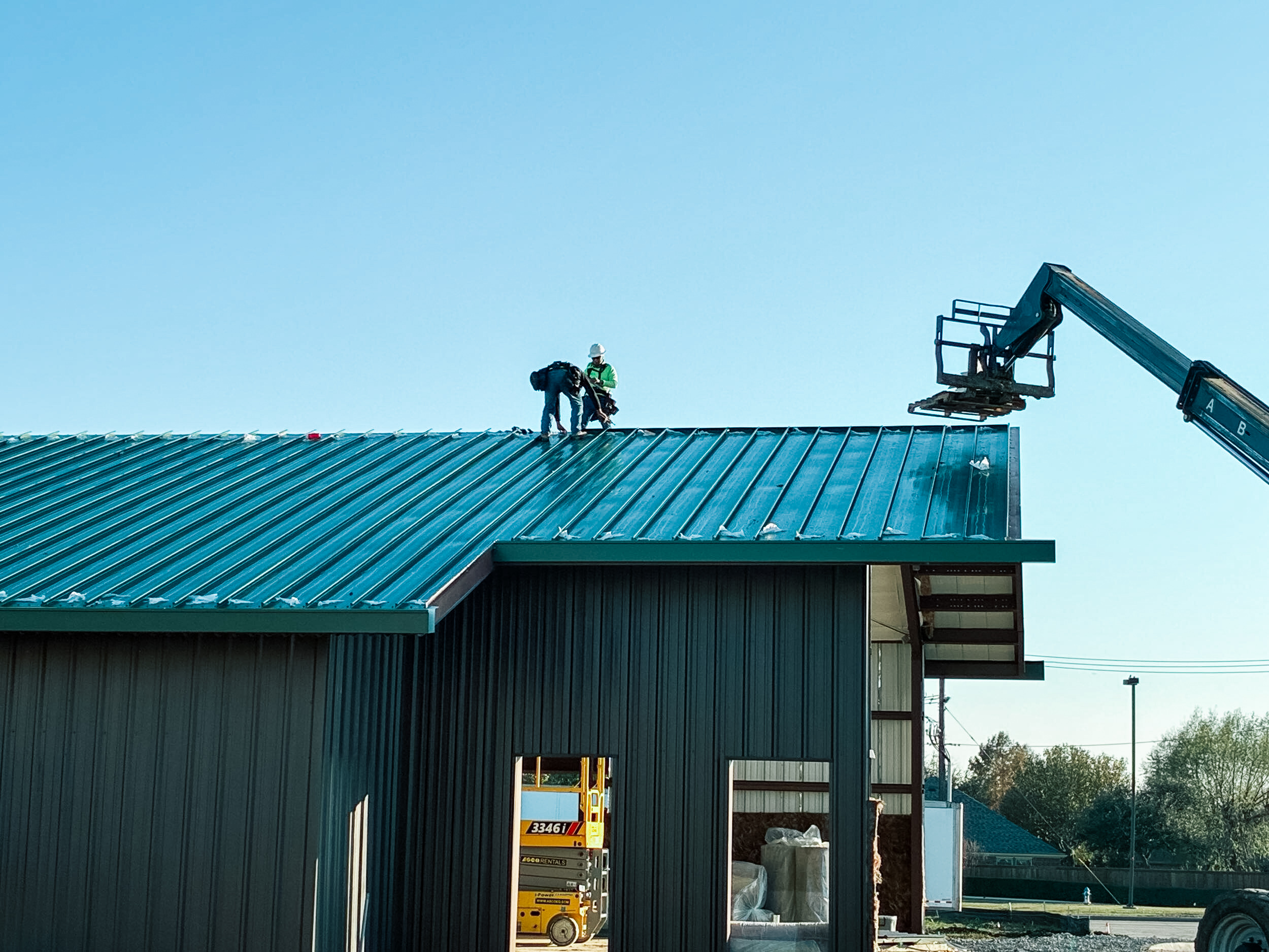
How to Navigate Permitting Hurdles in Texas Commercial Projects
Permitting is often one of the most overlooked aspects of commercial construction projects, yet it can significantly impact timelines, budgets, and overall project success. Many business owners assume permitting is a simple formality, but in reality, navigating local requirements can be complex. For commercial projects in Texas, understanding the process and involving the right professionals early can make all the difference.
Every city and county in Texas has its own permitting procedures, timelines, and requirements. Even within the same metropolitan area, what works in one municipality may not apply in the next. Some cities require multiple permits for electrical, plumbing, mechanical systems, and structural modifications, while others bundle certain approvals. Knowing the specific process for your location before breaking ground is critical to avoid delays.
A common hurdle is the timeline. Permitting review can take anywhere from a few weeks to several months depending on project complexity, plan completeness, and local staffing. Businesses that assume approval will happen quickly often find themselves facing unexpected delays. Working with a contractor experienced in Texas commercial permitting can help anticipate these delays, prepare complete submittals, and communicate with city staff to keep the project moving.
Another challenge arises from code updates and compliance requirements. Texas municipalities regularly update building codes, fire safety standards, and accessibility requirements. These updates can impact project design if not identified early. Having a knowledgeable general contractor or design professional involved in preconstruction ensures that plans comply with current codes before submission.
Incomplete documentation is another reason permits get delayed. Many projects are held up because drawings are missing key details, calculations are incorrect, or supporting documents are incomplete. A contractor familiar with the permitting process knows exactly what municipalities require, reducing back-and-forth revisions and speeding up approval.
Site-specific issues can also affect permitting. For example, soil conditions, drainage, easements, or floodplain considerations may trigger additional reviews or studies. Early identification of these factors helps prevent surprises once construction is underway. In some cases, addressing these requirements during the planning phase can save weeks or even months in schedule.
Communication is a vital part of permitting. Projects often involve multiple stakeholders including architects, engineers, contractors, and city officials. Maintaining clear and organized communication ensures that everyone is aligned and that questions from permitting authorities are addressed promptly. This proactive approach often leads to faster approvals and smoother construction.
Understanding potential fees is also important. Permits often come with associated costs that are not always clear at the start of a project. Knowing the required fees, inspections, and deposits in advance allows owners to budget accurately and prevents surprises during construction.
Finally, involving a contractor early in the permitting process provides strategic advantages. Experienced contractors can review plans for constructability, identify potential code issues, and suggest design adjustments that streamline approval. They can also coordinate with subcontractors to ensure that proposed systems meet municipal requirements.
Permitting is not simply a step in the construction process. It is a critical component that affects project timing, cost, and quality. By anticipating potential hurdles, preparing thorough documentation, and partnering with experienced professionals, Texas businesses can navigate the permitting process with confidence. Successful projects do not happen by chance; they happen because careful planning meets proactive execution.
Email us today @ projects@txbuiltconstruction.com or call us @ (972) 219-0729.